
SCN: BIG MACs: American Recipes for Australia’s Major Activity Centres
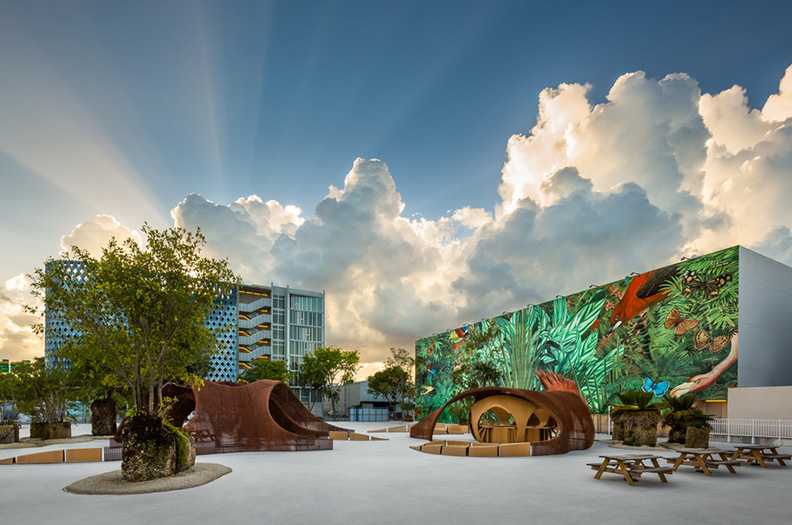
As planning authorities across Australian states emphasise creating more homes in the right locations to improve housing affordability and increase housing choice – close to services, jobs, and transport – the role of our Activity Centres has become increasingly vital in addressing contemporary urban challenges. Australia’s Activity Centres represent critical nodes in the national urban planning framework, serving as mixed-use hubs with a strong concentration of commercial and other land uses. While the terminology for them may vary from state to state, from High-Order Activity Centres, Planned Precincts, or Metropolitan and Major Activity Centres (MACs), they all serve as integral anchors for suburban and urban communities.
Retail cores within Australian MACs face several interconnected challenges: traditional department-store anchors in decline, intensifying competition from online retail, constrained parking capacity in urban locations, and increasing construction cost pressures. This article looks abroad to two recent pioneering American mixed-use precincts – Miami Design District in Florida and ROW DTLA in California – to explore the innovative methods adopted in Activity Centre design, and the social, economic and environmental values created. They just might hint at a special sauce for our own BIG MAC recipes.
The Miami Design District
In an era when one-third of American malls are showing occupancy rates of 70 per cent or less (Forbes 2023), many contemporary retail developments have shifted to more experiential retail and mixed-use typologies. The Miami Design District in Florida completely embodies the experiential philosophy, and in doing so, reframes our conventional idea of main street retail.
In its entirety, the development represents a comprehensive neighbourhood transformation, converting an 18-block former warehouse area into a mixed-use arts and retail destination featuring 37,000sqm of retail, integrated with galleries, showrooms, residential components, and cultural institutions.
Substantially completed between 2018 and 2025, Miami Design District exemplifies place-making strategies that leverage local cultural assets underpinned by an economically sustainable mixed-use framework. Developed by Dacra, and L Real Estate, with investment from General Growth Properties, the district “feels more like an art gallery than a traditional shopping destination, curated for the consumer and offering a multi-faceted community and cultural experience” (10design, 2024). The integration of art, architecture and urban design transformed the once-gritty neighbourhood into a world-class retail destination.
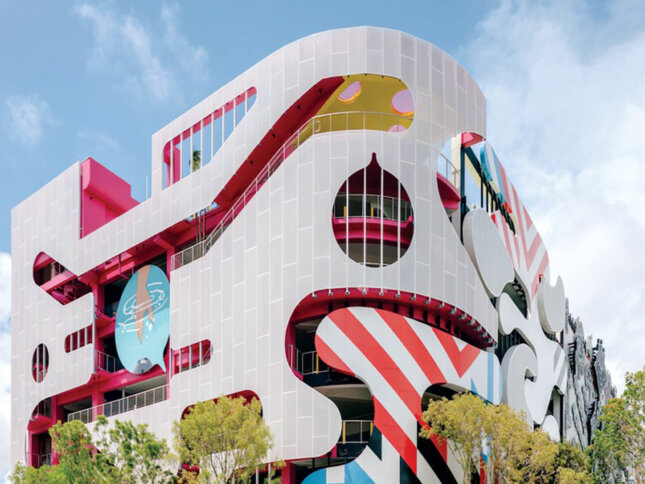
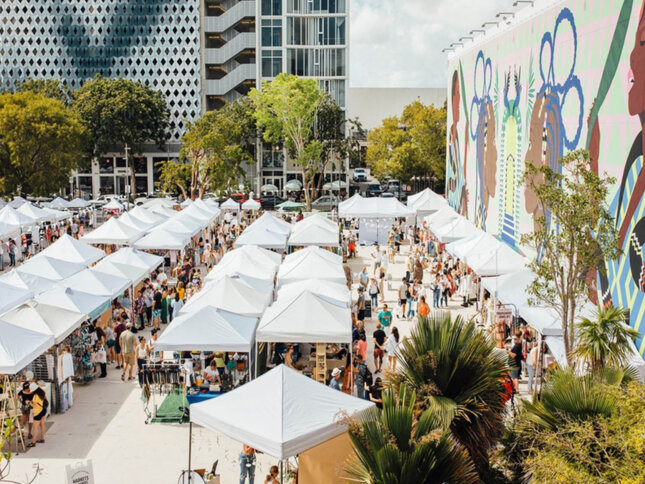
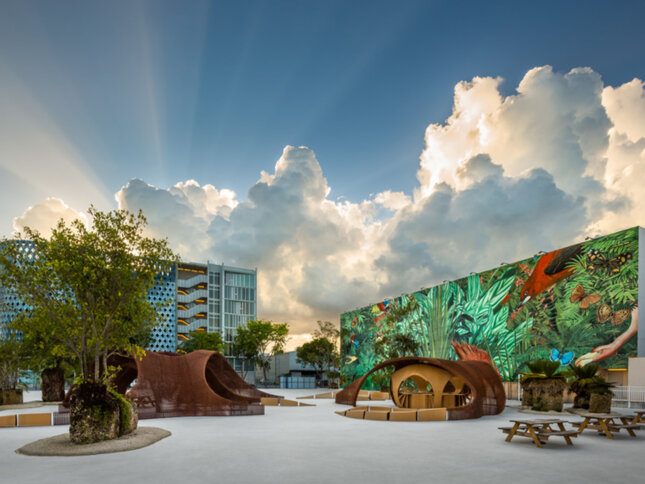
In re-defining the character of the district as a celebration of art and culture, the place programming and events are curated around this identity. Community engagement is encouraged through artist talks, design workshops, and festivals that celebrate Miami’s diverse cultural heritage. Public space activation occurs through markets, performances, and community events hosted in plazas and streetscapes that remain accessible to broad demographic groups.
In creating the urban framework for the district, SB Architects modified the neighbourhood’s existing architectural skeleton to establish a street grid with finer-grain retail activation. In adopting a more European scale, new interconnecting laneways were introduced to create an intimacy in street life, enabling cafes and boutique tenants to be dispersed among the larger shop footprints. The identity of the district overall is the result of the individual expression of each shop externally, not just through an interior design concept.
This street-level retail programming avoids enclosed mall configurations, instead creating open-air shopping environments that integrate with streetscapes, public art installations, and cultural programming venues. It fosters authentic urban retail environments that encourage while supporting both planned and spontaneous commercial activities. The result – a 47 per cent increase in foot traffic in just four years (Art+Artisans, 2024). Sustainably designed, Miami Design District is the first LEED Neighbourhood Development Gold-certified project in the state and the first in the world to achieve LEED Neighbourhood Development: Built v4 Gold certification (SB Architects, 2024).
ROW DTLA
ROW DTLA in Los Angeles, California, represents a bold approach to retail Activity Centre planning as a commercial revitalisation of Downtown LA. Through an ambitious regeneration strategy that incorporated the site’s original warehouse and industrial buildings, constructed between 1917 and 1923, the development has transformed a 30-acre former Southern Pacific Railroad terminal complex into one of the city’s creative commercial districts.
It’s a burger with the lot that includes 100 retail stores and restaurants, 28,000sqm of arts and cultural space and 120,000sqm of creative office space spread across nine buildings. Developed by Atlas Capital Group, plans have recently been submitted for the inclusion of 1000 apartments on the site across three buildings, including affordable housing, reinforcing it as a contemporary mixed-use precinct (CRE Daily, 2025).
The development is structured around the concept of a 16-hour ecosystem, designed to accommodate a continuum of activities including work, retail, dining and social engagement. The site, which historically functioned as an industrial rail hub for goods distribution, undertook a transformation that now attracts LA’s creative professional market and visitors. A key strategy underpinning this redevelopment is the retention of a portion of the site as an operational produce market. This decision puts forward the project’s commitment to place-based authenticity, embedding continuity with Los Angeles’ industrial heritage while simultaneously reinforcing the precinct’s role as an intermediary between the Arts District and the Downtown core.
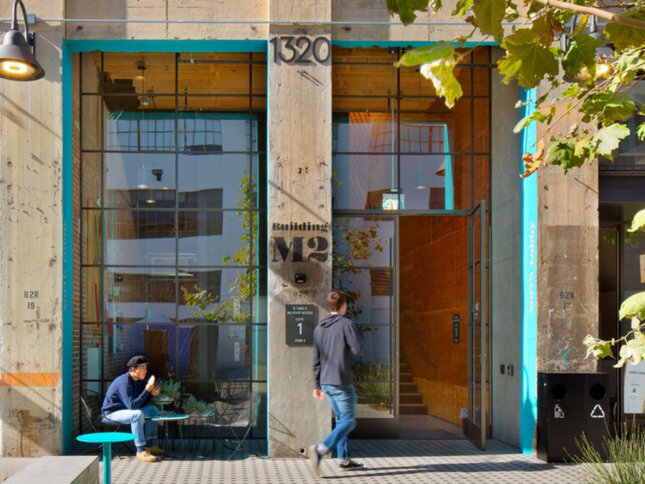
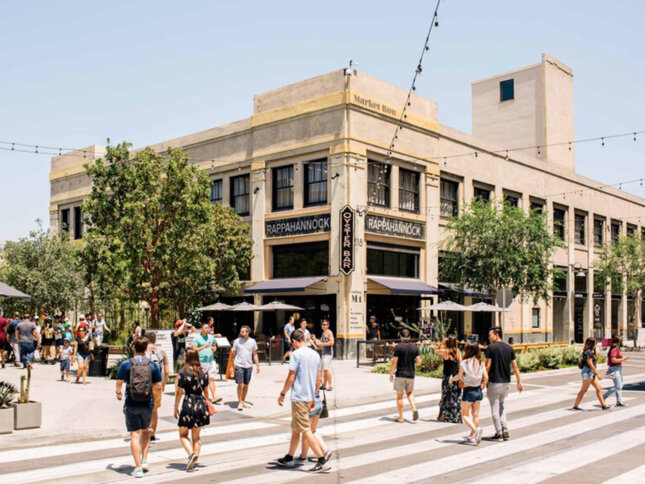
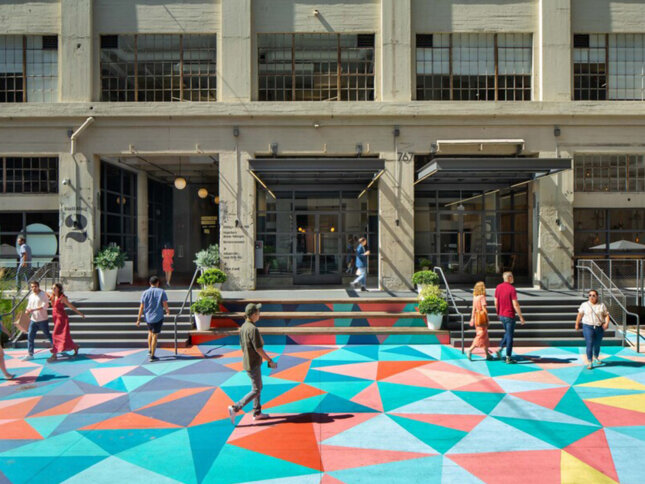
The preservation of the 7th Street Produce Market – which was established in 1917 and occupies five acres within ROW DTLA – exemplifies this approach. Unlike the traditional retail programming in Australian Activity Centres, this model merges wholesale food distribution with contemporary retail, hospitality and cultural programming. Such integration illustrates a unique planning paradigm that maintains the site’s productive economic functions while layering new commercial and social uses. The outcome is a hybridised urban form that supports continued economic resilience and demonstrates the capacity of adaptive reuse to generate both cultural and functional value in a metropolitan context. Paired with a curated retail, food and commercial tenant mix, this allows the precinct to achieve 91 per cent occupancy, compared with 66 per cent in the neighbouring Arts District (RIOS, 2025)
The strongest sustainability move at ROW DTLA was to preserve upwards of 90 per cent of the existing buildings’ envelope and structure. Data shows that if ROW DTLA’s total office space were rebuilt, it would produce about 60,000,000 kilograms of embedded carbon (RIOS, 2024). All existing lighting and MEP equipment was replaced to provide greater energy and water efficiency, and a 10-level parking structure liberates the site from most internal traffic, making way for tree-shaded pedestrian zones ideal for shopping, strolling and event curation.
You can’t have a Big MAC without a few pickles
The gentrification of downtown Miami has already deepened an existing issue around housing affordability, and as we’ve seen in many towns around Australia, pedestrianising main streets like Row DTLA can come with mixed results without the appropriate accessibility and tenancy mix; however, both projects demonstrate how urban regeneration, experiential placemaking, and curated cultural programming can reposition retail precincts as resilient, multi-dimensional community destinations. They buck the internal mall trend in favour of vibrant street life, creating more sustainably-conscious developments with long-term economic resilience in the process. They also highlight the importance of integrating cultural identity and heritage into mixed-use strategies. Success required co-ordinated action across planning systems, infrastructure investment, industry collaboration, and community engagement. For Australian Major Activity Centres, these two US examples underscore the value of diversifying beyond conventional retail anchors, fostering hybridised urban forms that combine economic productivity with social vibrancy. In adopting similar strategies, Australian MACs can strengthen their capacity to act as authentic, future-ready urban nodes, capable of responding to shifting retail landscapes and broader metropolitan challenges.

Joe Wright
Design Director | Associate Director