
SCN: Sustainable retail through creative re-use
As we see the world changing around us at an incomprehensible rate, our desire for unique, experience-driven retail that sparks a deeper sense of connection to place is apparent. This, combined with a drastic need to reduce global carbon emissions to keep within the Paris Agreement, is the perfect invitation to use what we have and pivot old buildings into vibrant retail and social hubs.
This is nothing new — whether it is former banks converted into flagship retail stores or old mill buildings turned into gallery and retail spaces — historic buildings have fantastic bones for the makings of memorable retail experiences.
Initiatives across the globe such as ‘dontwastebuildings.com’ in the UK and Australia, and the Danish stop-new-building initiative ‘Byggestop’ are gathering momentum in support of sufficiency, retaining existing assets — using what already exists… not just for program savings and carbon savings but also for common sense. We cannot continue to extract more and more virgin materials to continue to build — this practice is not feasible moving forwards.
Let’s unpack this a bit though — aside from common sense, beauty and sustainability; What is adaptive re-use and why is it such a hot topic right now?
Adaptive reuse involves repurposing existing buildings or structures for new uses to extend the asset’s lifespan. According to the World Economics’ ‘Adaptive Reuse of Assets Model Policy’ by opting for adaptive reuse rather than demolition and new construction we can “realise benefits such as reduced embodied and operational carbon, economic stimulation, job creation, community revitalisation, and the preservation of cultural and architectural heritage”.
Adaptive re-use can vary in scale and complexity, depending on the level of renovation and changes needed. For example, an old Post Office can be converted into an F&B experience store or an old Industrial power station can evolve into an arts and culture retail destination.
“The most direct possible way to reduce embodied carbon is to reuse and upgrade an existing building, rather than replacing it with new construction.” Andrew Himes, Director of Collective Impact, Carbon Leadership Forum.
An article by The National Trust of Australia’s, Graham Latham in 2000 describes what he calls ‘Creative re-use,’ which describes working with the energy and quality of the original building, whether it be of special architectural or historic interest and combining the energy and activity that the new use brings whether for leisure, retail, office or residential purposes.
As he so eloquently puts it, “A city without old buildings is like a man without a memory”…. “Rapid wholesale redevelopment destroys the fragile sense of time and place towns possess. By keeping all that has the potential to be reused we respond to the continuity required to maintain the psychological wellbeing of a community.”
Types of adaptive re-use projects can range from operational efficiency upgrades to building code compliance and structural improvements that support new uses while extending the building’s lifespan. There are so many benefits to adaptive re-use when it’s done well — offering a range of environmental, community and economic benefits.
While most of the exemplar creative adaptive re-use projects that can be seen are from an industrial use into a commercial space or residential, a few case studies showcase how residential, commercial and industrial spaces have been effectively turned into vibrant retail and hospitality spaces across the globe. I wanted to share a few of my favourites for their creative response to retaining the beauty and energy of an old building while delivering contemporary retail vibrancy.
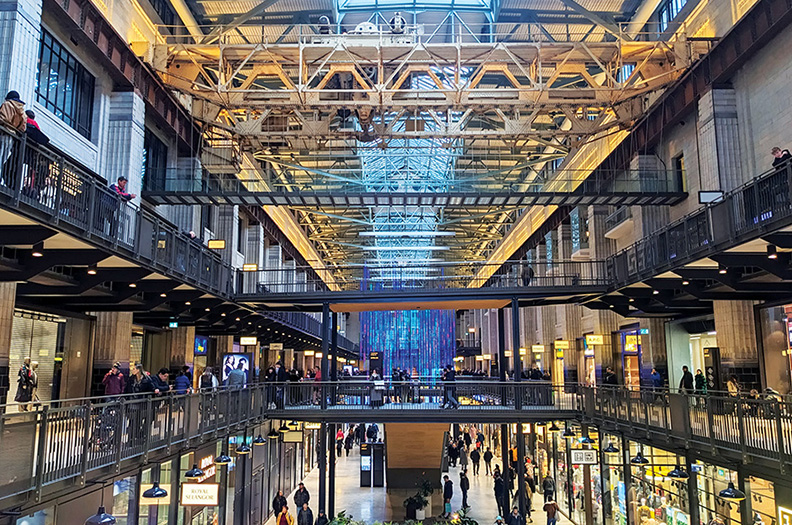
Battersea Power Station in London is a leading example of turning an industrial icon into a mixed-use hub with high-end retail, restaurants and cinemas. It’s a great example of how to preserve that brutal industrial identity while also embracing a contemporary culture and creating a vibrant and popular retail destination. The Old Turbine Hall is now home to a hub for luxury, independent and high street shops. Visitors can peruse more than 140 shops, restaurants, cafes, bars and unique leisure experiences in and around the famous building, backing on to the stylish London neighbourhoods of Battersea, Chelsea and the River Thames.
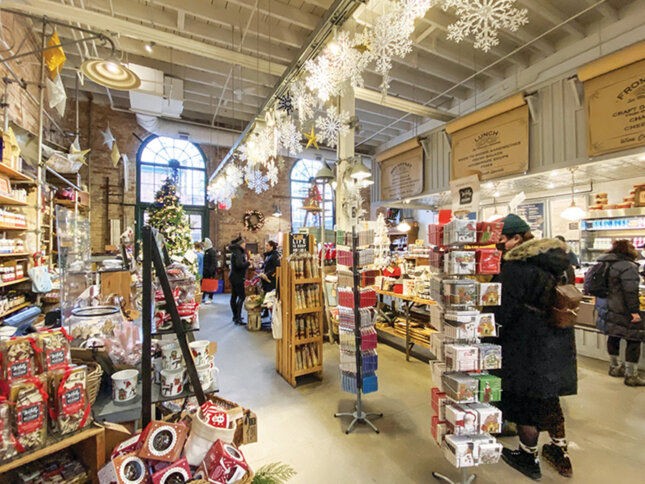
The Distillery District in Toronto, Canada, is a great shopping destination with more than 40 boutiques and one-of-a-kind retail spaces. Shopping opportunities include everything from stylish fashion houses and popular products to unique gifts and tasty take-home artisanal treats. The shops are set within well-preserved Victorian-era industrial architecture. It’s a collection of more than 40 heritage buildings, primarily constructed between 1864 and 1927, showcasing the area’s history as the Gooderham & Worts distillery. This is a successful example of how history and heritage combined with modern touches can create an inviting pedestrian-friendly atmosphere with cobblestone streets and vibrancy. The character that is retained through these buildings evokes a popular destination where visitors can soak up arts, culture and entertainment.
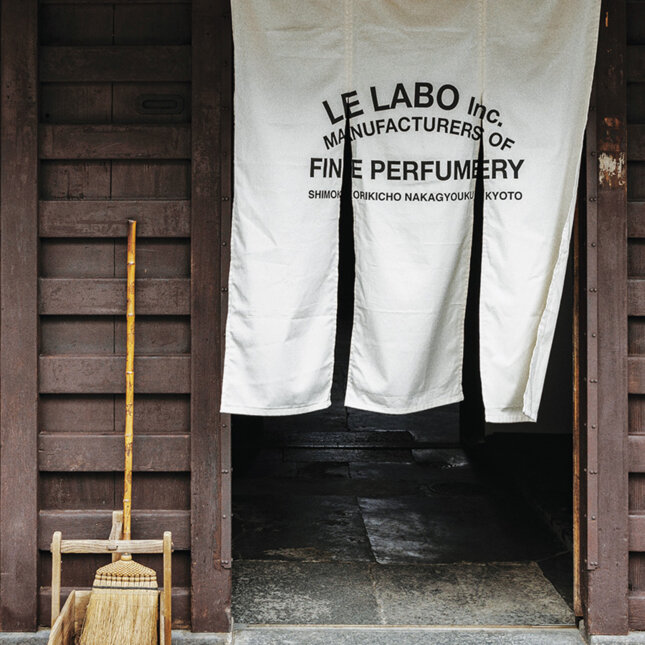
The Le Labo store in Japan is a stunning example of adapting a 145-year-old Machiya (traditional townhouse) in Kiyamachi, Kyoto, into a flagship retail space. This building is a beautiful example of how a historic space can become a powerful immersive retail experience.
Closer to home is the reimagined Younghusband precinct in Kensington, Melbourne which preserves and showcases the heritage architecture of the two 122-year-old historic woolsheds in stage 1, transforming them into 17,560m2 of A-grade office space and adding a new town square, village-style F&B offerings and an activated retail laneway that brings new energy to the site throughout the day. This project sets new benchmarks for sustainability and urban regeneration projects globally. The architectural design is a dialogue between what has been done and what is possible.
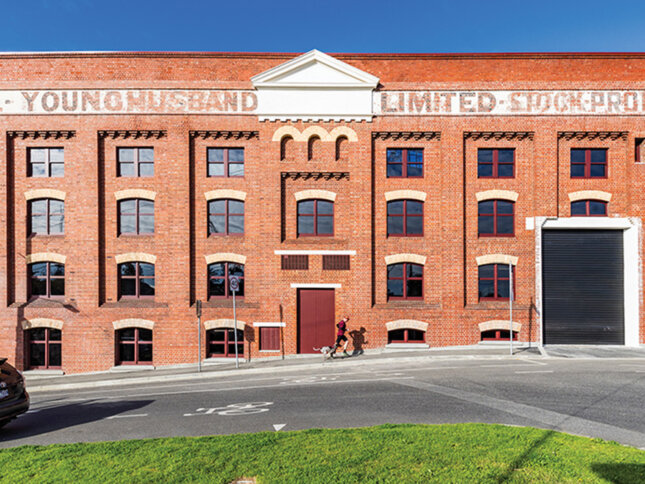
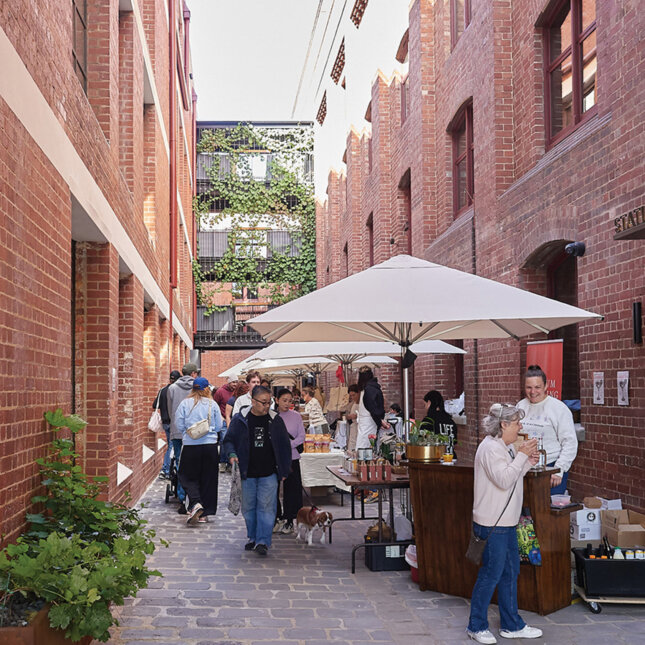
Built Development Director Jono Cottee said: “Our goal was to create a new benchmark to challenge business as usual. Younghusband creates Melbourne’s largest carbon-neutral adaptive reuse precinct, reimagining and revitalising one of the city’s largest heritage sites and creating a connected and sustainable destination for work and play. It’s a rare thing to inherit a building with this much texture and memory. Our role is to honour that, not just through words, but through how people actually experience the precinct. That’s where activation comes in. From cultural partnerships to community markets, we’re developing a calendar of moments that reconnect people to place. It’s not high-frequency programming for the sake of foot traffic, it’s about making Younghusband feel like it’s part of the local rhythm. We treat every campaign like a conversation: between heritage and innovation, community and commerce, stillness and activation.”
What resonates most for me about these projects is not only their saving in embodied carbon emissions but their connection to a past energy and memory that lives on within those buildings. There’s something very special about the experiences that can be created within such historic buildings — a resonance that stems from a re-connection with history, culture and the past to create new uses and redevelop ways for human communities to once again be in relation with their place.

Claire Bowles
Purpose Director | Associate Director